
Hear from Our Customers
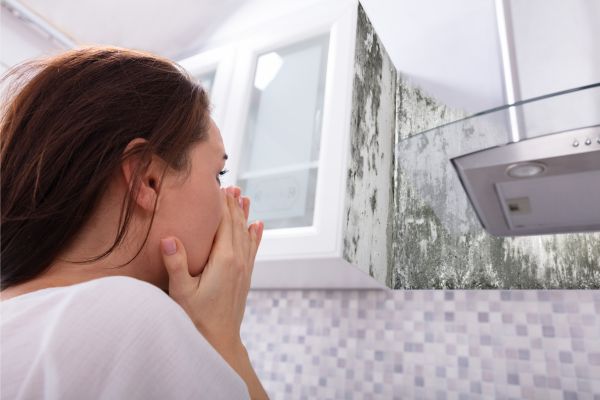
You’re not imagining that musty smell in your basement. You’re not overreacting when you see dark spots spreading behind the washing machine. And you’re definitely not wrong to worry about what’s happening inside your walls where you can’t see.
Mold testing tells you exactly what you’re dealing with. Not guesswork. Not assumptions. Actual lab results that identify the type of mold, how much is present, and where it’s hiding.
That information changes everything. It tells you whether you need immediate remediation or just better ventilation. It gives you documentation for insurance claims. It helps you make decisions based on facts instead of fear. And in Dogwood Hollow, where our humid summers create perfect conditions for mold growth, that clarity matters.
You get a detailed report that explains what we found, what it means for your home, and what your options are. No pressure. No upselling. Just the information you need to move forward with confidence.
We focus exclusively on mold issues in Bucks County. We’re not a general restoration company that does mold on the side. This is what we do.
We know the homes in Dogwood Hollow. The older properties with stone foundations that stay damp. The split-levels with crawl spaces that never get enough airflow. The finished basements that looked fine until last summer’s humidity pushed indoor moisture past 80%.
Our technicians are certified in mold inspection and remediation. We use EPA-approved testing methods. And we send every sample to an independent lab because you deserve results you can trust. When local insurance adjusters need reliable documentation, they know our reports hold up.
We start with a visual inspection of your entire property. That means checking obvious problem areas like bathrooms and basements, but also looking in places most homeowners never think about. Behind appliances. Inside HVAC systems. In attic spaces where condensation builds up overnight.
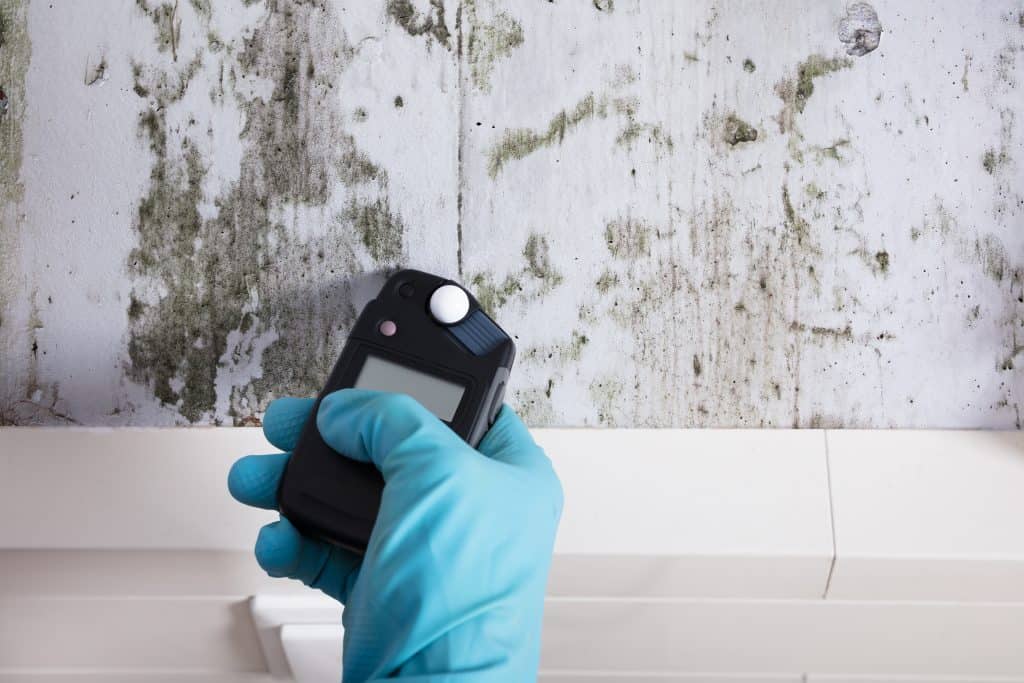
If we find visible mold or conditions that suggest hidden growth, we take samples. Air samples tell us what’s floating around that you’re breathing. Surface samples identify exactly what’s growing on that wall or ceiling. We document everything with photos and detailed notes.
Those samples go to an independent laboratory for analysis. You get a full report within a few days that identifies the specific types of mold present, the concentration levels, and whether those levels pose health concerns. We walk you through the results in plain language.
Then we talk about your options. Sometimes you need full remediation. Sometimes you need to fix a leak and improve ventilation. Sometimes the problem is smaller than you feared. We give you the information and let you decide what makes sense for your situation and your budget.
Ready to get started?
Your inspection covers every area of your home where mold typically grows in Bucks County’s climate. We check basements and crawl spaces where groundwater seeps through foundation walls. We inspect attics where temperature swings create condensation. We examine bathrooms, kitchens, and laundry areas where everyday moisture accumulates.
We use moisture meters to find hidden water damage. We check humidity levels in different rooms. We look for the conditions that allow mold to thrive, not just the mold itself. Because in Dogwood Hollow, where summer humidity regularly hits 75-80%, understanding your moisture sources matters as much as finding the mold.
You receive a comprehensive written report with lab results, photos, moisture readings, and our professional assessment. That documentation works for insurance claims, real estate transactions, or just your own peace of mind. We also provide clear recommendations for remediation if needed, including whether you can handle it yourself or need professional help.
The initial inspection is free. You only pay for lab testing if we find something that needs analysis. And we’re available 24/7 for emergency situations, because water damage doesn’t wait for business hours, and neither does mold growth.
You need testing if you see visible mold growth larger than a few square feet, if you smell persistent musty odors you can’t locate, or if you’ve had water damage that wasn’t completely dried within 48 hours. You also need testing before buying a home in Dogwood Hollow, especially older properties with basements or crawl spaces.
Testing makes sense when you’re experiencing unexplained respiratory issues, allergies, or asthma symptoms that improve when you leave the house. It’s worth doing if you’re planning renovations that will open up walls or ceilings where mold might be hiding. And you definitely need it for insurance claims or legal documentation.
DIY test kits from hardware stores don’t give you reliable information. They can’t identify specific mold types, they don’t measure concentration levels accurately, and they won’t hold up with insurance companies. Professional testing uses lab analysis that actually tells you what you’re dealing with and whether it’s a health concern.
Bucks County’s humid climate creates perfect conditions for several mold species. Cladosporium grows on damp wood and fabric. Penicillium thrives in water-damaged materials like drywall and insulation. Aspergillus appears in dust and on surfaces with high moisture. And Stachybotrys, the black mold everyone worries about, grows on materials that stay wet for extended periods.
Each type poses different health risks and requires different remediation approaches. That’s why lab testing matters. You can’t identify mold species by looking at them. Black mold isn’t always Stachybotrys. Green mold isn’t always harmless. The only way to know what you’re dealing with is proper testing and analysis.
In Dogwood Hollow specifically, we see a lot of basement mold from foundation moisture and attic mold from poor ventilation. Older homes built before modern moisture barriers are especially vulnerable. The good news is that once you know what type of mold you have, you can address it properly instead of guessing.
The on-site inspection typically takes 1-2 hours depending on your home’s size and the extent of suspected mold growth. We’re thorough because missing a problem area means you don’t get the full picture. We check every likely spot and use moisture meters to find hidden issues.
Sample collection adds another 30 minutes to an hour. We take multiple samples from different areas to get accurate results. Air samples require special equipment that pulls air through collection devices. Surface samples involve careful swabbing or tape-lifting from affected materials.
Lab analysis takes 3-5 business days. You can’t rush it because proper identification requires growing cultures and microscopic examination. When results come back, we schedule a call or meeting to walk you through the findings. You get a detailed written report with photos, lab results, and our professional recommendations. Then you can make informed decisions about next steps.
Insurance coverage depends on what caused the mold. If it resulted from a covered event like a burst pipe, storm damage, or appliance leak, your policy likely covers both testing and remediation. If it developed from long-term neglect, poor maintenance, or chronic humidity issues, coverage gets denied.
That’s why documentation matters. Professional testing provides the evidence insurance companies require. Our reports include detailed findings, photos, moisture readings, and lab results that support your claim. We’ve worked with enough adjusters in Bucks County to know what they need to see.
You should file a claim as soon as you discover significant mold growth or water damage. Don’t wait. Don’t start remediation before the adjuster inspects. And don’t assume you’re not covered just because mold is involved. Many homeowners get denied because they didn’t document properly or waited too long. We help you avoid those mistakes by providing thorough, professional testing that insurance companies respect.
Small areas under 10 square feet can usually be cleaned safely with proper precautions. That means wearing an N95 mask, gloves, and eye protection. It means using appropriate cleaning solutions. And it means fixing the moisture source so mold doesn’t come back.
Anything larger than that needs professional testing and remediation. Here’s why: you don’t know what type of mold you’re dealing with. Some species release dangerous spores when disturbed. You don’t know the extent of growth. What you see on the surface might be minimal compared to what’s inside the wall. And you probably don’t have the equipment to contain spores during removal.
In Dogwood Hollow’s climate, mold problems are rarely surface-level. The humidity here means mold penetrates deep into porous materials like drywall and insulation. Cleaning the visible growth doesn’t address what’s underneath. Testing tells you whether you’re looking at a simple cleanup or a serious remediation project. That information is worth having before you start tearing into walls or breathing in spores.
First, don’t panic. Finding mold doesn’t mean your home is uninhabitable or worthless. It means you have information you can act on. The lab report tells you the mold type, the concentration level, and whether it poses immediate health concerns. That determines your next steps.
Minor mold issues might just require fixing a leak, improving ventilation, or cleaning affected areas. Moderate problems might need professional remediation of specific rooms or sections. Serious contamination requires comprehensive remediation with containment, air filtration, and material removal.
We give you a clear remediation plan based on the test results. We explain what needs to happen, why it matters, and what it typically costs. We can handle the work ourselves, or you can hire another company. Either way, you have the facts you need to make good decisions. And you have documentation that protects you legally and financially if you’re selling the property or dealing with insurance.
Other Services we provide in Dogwood Hollow